Stop Wasting Money on Generic Marketing: 7 Hyper-Personalization Hacks That Convert Better
- Jayme Lin Rose

- Jan 8
- 6 min read
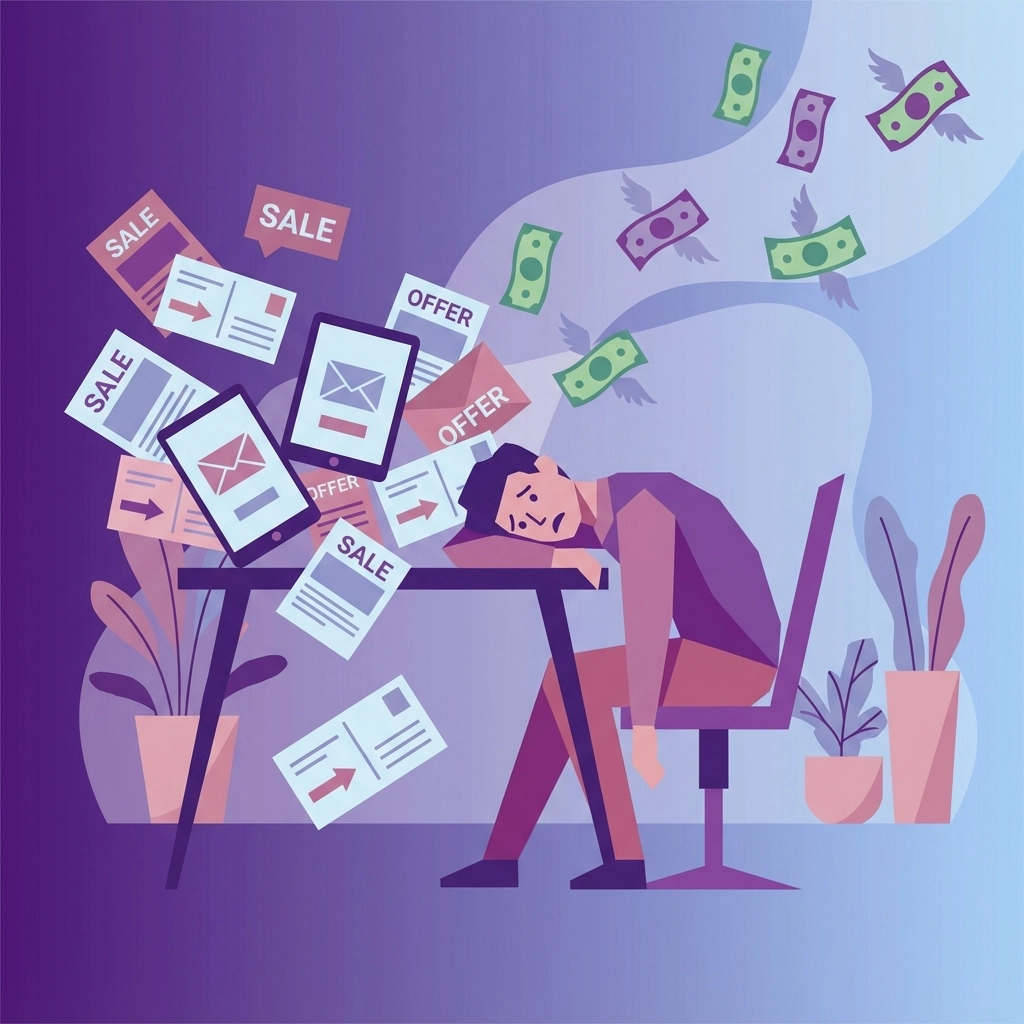
Let's be honest: generic marketing is expensive and ineffective. You're probably spending money on campaigns that reach everyone but connect with no one.
We see this all the time with our clients. They come to us frustrated because their marketing budget feels like throwing money into a black hole. They're sending the same email to their entire list, running generic Facebook ads, and wondering why their conversion rates are stuck in the single digits.
Here's the thing: your customers don't want to feel like just another number. They want to feel understood, valued, and like you actually know what they need. That's where hyper-personalization comes in.
Hyper-personalization goes way beyond slapping someone's first name in an email subject line. It uses real-time data, artificial intelligence, and predictive analytics to deliver highly specific content and experiences to individual customers. And the results? Let's just say they speak for themselves.
During the last holiday season alone, $229 billion in global online sales: that's 19% of all orders: were influenced by AI-driven recommendations. When customers receive relevant recommendations that directly match their interests, they're more likely to engage and make purchasing decisions.
Why Generic Marketing Is Costing You Money
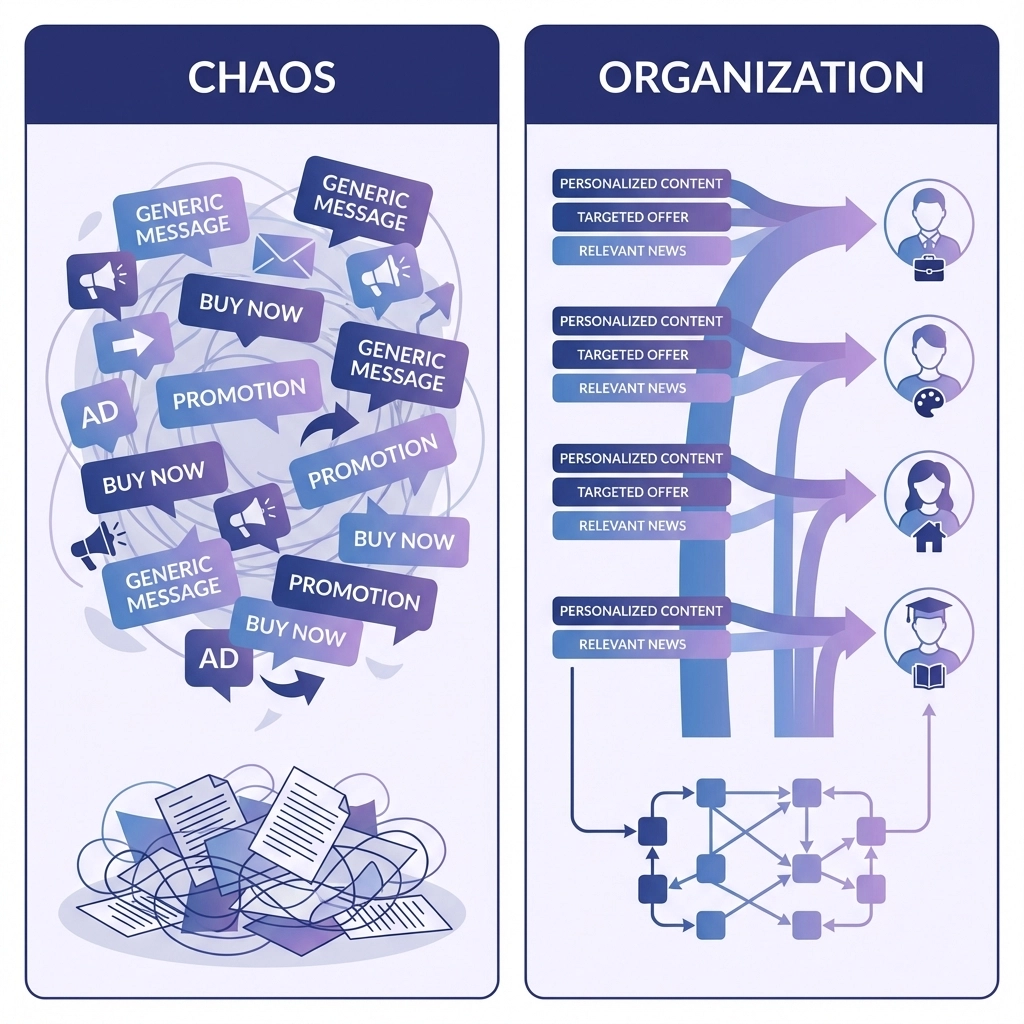
Before we dive into the solutions, let's talk about why generic marketing is such a problem. When you send the same message to everyone, you're essentially betting that your one-size-fits-all approach will resonate with your diverse audience.
Spoiler alert: it won't.
Your vegetarian customers don't care about your new steak special. Your budget-conscious shoppers aren't interested in your premium product line. Your loyal customers who buy from you monthly don't need the same "get to know us" content as first-time visitors.
Generic marketing wastes your budget, annoys your customers, and leaves conversions on the table.
The 7 Hyper-Personalization Hacks That Actually Work
1. Leverage Your First-Party Data Like a Pro
You're sitting on a goldmine of customer information, but most businesses barely scratch the surface. We're talking about going beyond basic demographics like age and location.
Start collecting comprehensive customer information including:
Purchase preferences and patterns
Browsing behavior and time spent on different pages
Color and style preferences
Communication preferences (email frequency, channel preferences)
Seasonal buying patterns
Use this data to segment your database and deliver hyper-personalized communications. When you show customers only products that match their specific interests, your open rates and click-through rates will skyrocket.
One of our clients in retail started tracking color preferences and saw a 34% increase in email engagement just by featuring products in colors their customers had previously purchased.
2. Implement Smart Purchase Behavior Segmentation
Stop grouping customers by demographics and start grouping them by actions. Create targeted segments based on what customers actually do, not just who they are.
Key segments that convert better include:
Existing customers vs. first-time visitors (they need completely different messaging)
High-value customers who spent above specific thresholds (they deserve VIP treatment)
Returning customers with multiple purchases (they're ready for upsells)
Dormant customers who haven't purchased recently (they need re-engagement campaigns)
Combine this with lead scoring and tagging based on user behavior like email opens, clicks, and content downloads. When you know someone downloaded your pricing guide but hasn't made a purchase, you can send them targeted case studies or customer testimonials.
3. Deploy AI-Powered Product Recommendations
This isn't just for Amazon anymore. AI recommendation engines analyze real-time browsing behavior and past purchases to showcase relevant products at exactly the right moment.
Here's a simple way to implement this: Train your team to add notes to customer profiles about specific product interests they mention during conversations. Then set up automated follow-up emails featuring those exact items.
For service-based businesses like ours, this might mean recommending specific consulting packages based on the challenges a prospect mentioned during their initial call.
The key is timing and relevance. Don't wait weeks to follow up: strike while the interest is hot.
4. Use Dynamic Pricing and Personalized Discounts
Now, we're not suggesting you price gouge, but you can adjust your approach based on customer behavior and preferences.
Consider offering personalized discounts based on:
Customer loyalty level (longtime customers get better deals)
Purchase history (frequent buyers get volume discounts)
Engagement level (highly engaged email subscribers get exclusive offers)
Geographic location (account for local market conditions)
Starbucks does this brilliantly through their app, using data on past purchases, location, and preferences to deliver personalized discounts and product recommendations. Their customers feel valued, not manipulated.
5. Personalize Your Loyalty Rewards
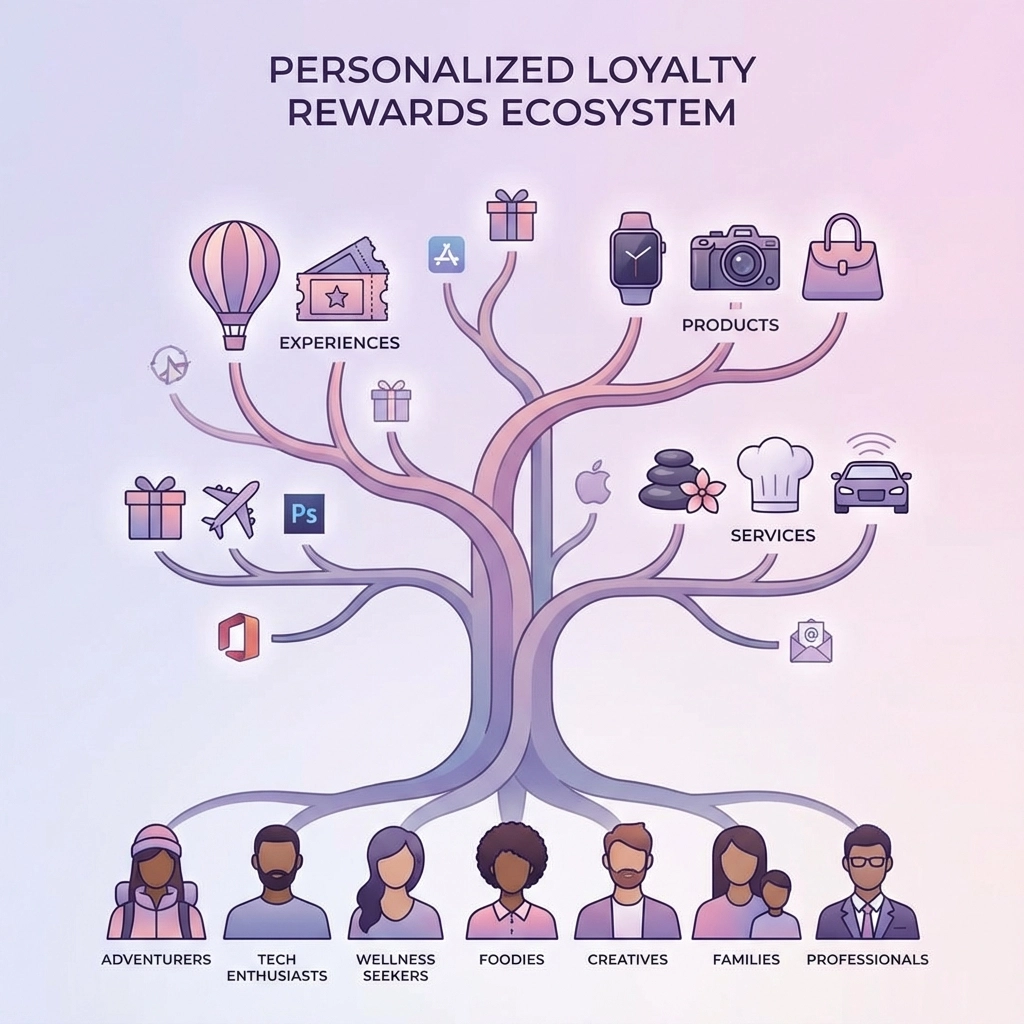
Generic loyalty programs are boring. Everyone gets the same 10% off coupon on their birthday, the same points for purchases, and the same rewards options.
Instead, customize loyalty perks based on individual customer behavior:
Birthday gifts that reflect their actual interests
Tiered points based on engagement, not just spending
VIP experiences for your most valuable customers
Rewards that match their purchase patterns
Members who redeem personalized rewards spend 4.3 times more per year than those who claim generic rewards. That's not a typo: personalized rewards create genuine emotional connections.
6. Create Trigger-Based Automations
Stop being reactive and start being proactive. Build workflows that respond to customer actions in real-time.
Some powerful trigger-based automations include:
Birthday discounts sent automatically when the date arrives
Replenishment reminders based on typical purchase cycles
Loyalty program invitations when customers cross point thresholds
Abandoned cart sequences with specific products they viewed
Win-back campaigns for customers who haven't purchased in 90 days
The key is timing and relevance. When someone abandons their cart, don't wait 24 hours to follow up. Send a gentle reminder within 2-3 hours while they're still thinking about the purchase.
7. Deliver Hyper-Targeted Social Media Content
Your social media ads should feel like personal recommendations, not generic broadcast messages.
Create custom and lookalike audiences based on:
Previous purchasers of specific products
Website visitors who viewed certain pages
Email subscribers who engaged with particular content
Customers who fit specific behavioral patterns
Use location-based triggers to send relevant messages when customers are near your business. Create segments of customers who abandoned carts and retarget them with specific offers featuring the exact products they were considering.
The goal is ensuring your advertising budget only reaches people who are actually ready to buy, not just anyone within your demographic range.
Making It All Work Together
The real magic happens when you combine these strategies into a cohesive system. We call it the omnichannel approach: consistently personalizing experiences across all your customer touchpoints.
Your website should recognize returning visitors and show them relevant content. Your emails should reflect their recent browsing behavior. Your social media ads should complement your email campaigns. Your customer service team should have access to the full picture of each customer's journey.
Balance Automation with Human Touch
Here's something important: don't let automation replace genuine human connection. The best hyper-personalization strategies combine smart technology with human insight.
Allow your team to manually curate content and override automated decisions when they have better insights. Sometimes a personal phone call or handwritten note will convert better than the most sophisticated automation sequence.
Practice Transparency and Control
Be upfront about how you're using customer data. Brands that explain the "why" and "how" of their personalization efforts are viewed more favorably by consumers.
Let customers control their experience. Give them options to update preferences, choose communication frequency, and opt out of certain types of messages. When people feel in control, they're more likely to engage.
Start Small, Scale Smart
You don't need to implement all seven strategies at once. Pick one or two that make the most sense for your business and master them first.
If you're just getting started, begin with purchase behavior segmentation and trigger-based automations. These give you the biggest impact with relatively simple implementation.
As you get comfortable and see results, gradually layer in more sophisticated personalization strategies.
Ready to Stop Wasting Money on Generic Marketing?
Hyper-personalization isn't just a nice-to-have anymore: it's essential for staying competitive. Your customers expect relevant, timely communications that add value to their lives.
The businesses that master these strategies will thrive. The ones that stick with generic, spray-and-pray marketing will continue burning through their budgets with little to show for it.
We've helped dozens of small businesses implement these exact strategies, and the results consistently speak for themselves. Higher engagement rates, better conversion rates, and customers who actually look forward to hearing from you.
If you're ready to transform your marketing from generic to genuinely personal, let's have a conversation. We'll work with you to create a hyper-personalization strategy that fits your business, your budget, and your goals.
Your customers are waiting for you to truly understand them. Isn't it time you started?
Comments