7 Mistakes You're Making with Financial Planning (and How Small Businesses Can Fix Them Before Economic Uncertainty Hits)
- Jayme Lin Rose

- Jan 8
- 5 min read
Let's be honest – financial planning isn't exactly the fun part of running a business. But here's the thing: we've seen too many great businesses stumble because they made avoidable financial mistakes. And with economic uncertainty looming, now's the time to get your financial house in order.
We've worked with countless small business owners over the years, and we keep seeing the same patterns. The good news? Every single one of these mistakes has a straightforward fix. Let's dive into the seven biggest financial planning mistakes you might be making – and more importantly, how to fix them.
Mistake #1: Treating Cash Flow Like an Afterthought
You're profitable on paper, but you can't make payroll next week. Sound familiar?
This is probably the most dangerous mistake we see. Many business owners focus solely on profit and loss statements while ignoring when money actually flows in and out of their accounts. Just because you made a $50,000 sale doesn't mean you have $50,000 in your bank account right now.
Here's how to fix it: Start tracking your cash flow weekly, not monthly. Use simple accounting software or even a spreadsheet to monitor when invoices get paid versus when your bills are due. Create a 13-week rolling cash flow forecast – it'll show you exactly when you might hit rough patches.
We recommend setting up automatic alerts when your cash balance drops below a certain threshold. This gives you time to adjust before you're scrambling to cover expenses.

Mistake #2: Flying Without a Budget
"I'll just wing it" is not a financial strategy.
We get it – budgets feel restrictive. But operating without one is like driving blindfolded. You have no idea if you're overspending, undersaving, or missing opportunities to invest in growth.
Here's how to fix it: Create a realistic budget based on actual historical data, not wishful thinking. Start simple: track your fixed costs (rent, insurance, salaries) and variable expenses (marketing, supplies, travel).
Review your budget monthly and adjust quarterly. Your first budget won't be perfect, and that's okay. The goal is to start making informed decisions instead of emotional ones.
Mistake #3: Mixing Personal and Business Money
Your business checking account is not your personal piggy bank.
This seems harmless at first – you need coffee, the business credit card is handy, so you use it. But mixing personal and business finances creates a nightmare for bookkeeping, taxes, and understanding your actual business performance.
Here's how to fix it: Open separate business accounts immediately. Pay yourself a regular salary or owner's draw, just like you would any employee. This creates clear boundaries and makes tax time infinitely easier.
If you've already mixed finances, don't panic. Work with an accountant to separate everything and establish clean records going forward. Yes, it's tedious, but it's worth it.

Mistake #4: Underestimating Uncle Sam
Quarterly estimated taxes aren't optional – they're inevitable.
We've seen business owners get hit with massive tax bills because they didn't plan ahead. Between federal taxes, state taxes, self-employment taxes, and local business taxes, the total can be shocking if you haven't been setting money aside.
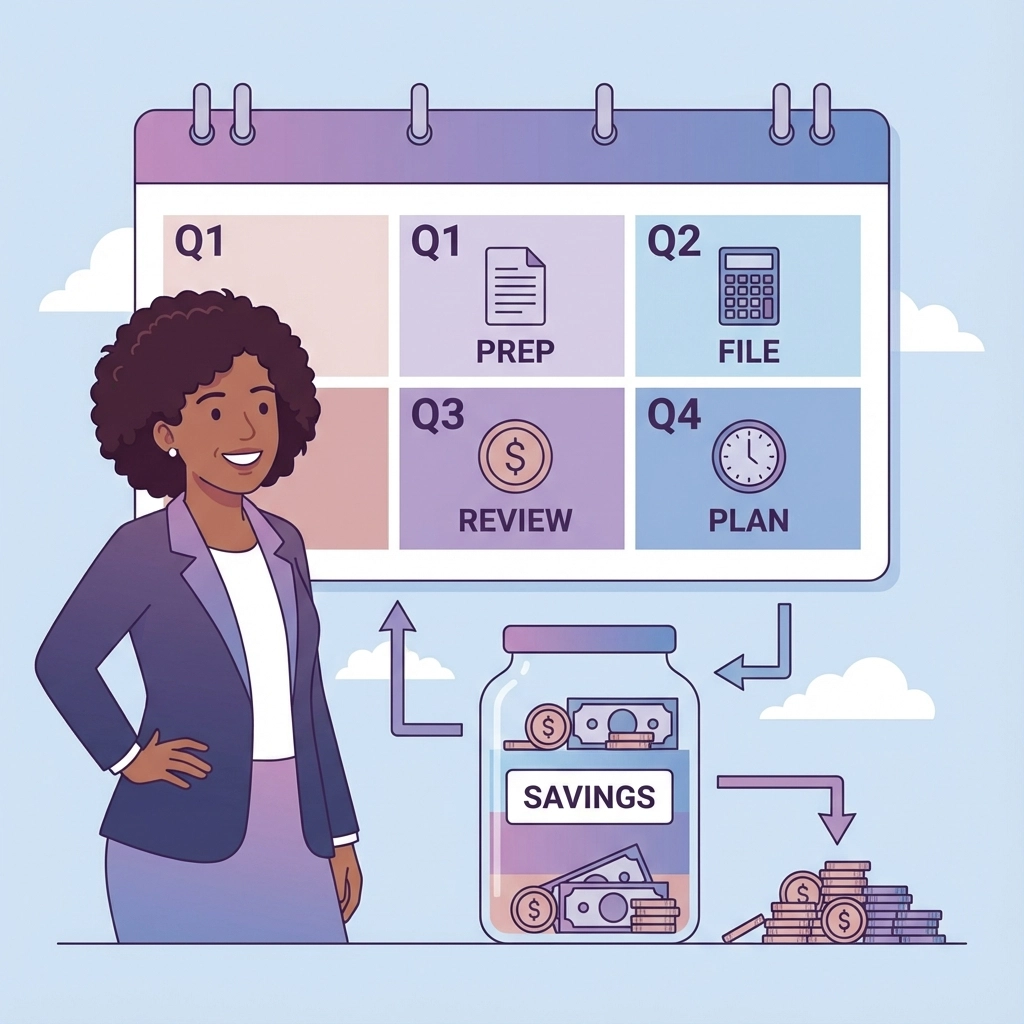
Here's how to fix it: Work with a tax professional to estimate your quarterly tax obligations. Set up a separate savings account and automatically transfer 25-30% of your revenue into it. Yes, that seems like a lot, but it's better to have too much set aside than too little.
Consider making estimated payments even if you're not required to. The penalties for underpayment aren't worth the risk.
Mistake #5: Operating in the Dark About Your Numbers
"I think we're doing okay" isn't financial analysis.
Many business owners rely on gut feelings instead of actual data. They don't know their true cost per customer acquisition, their profit margins by product line, or which services actually make money. Without this information, every business decision is essentially a guess.
Here's how to fix it: Implement monthly financial reporting. You don't need complex software – start with basic profit and loss statements, balance sheets, and cash flow reports.
Calculate key metrics like customer lifetime value, average transaction size, and gross margins by product or service. These numbers tell the real story of your business performance.

Mistake #6: Confusing Profit with Cash
Profit on paper doesn't pay the bills.
This trips up even experienced business owners. Your income statement might show a profitable month, but your bank account tells a different story. This happens when you have outstanding invoices, inventory investments, or timing differences between sales and collections.
Here's how to fix it: Learn to read both your profit and loss statement AND your cash flow statement. They tell different stories, and you need both.
Focus on improving your cash conversion cycle – the time between making a sale and collecting the money. Offer early payment discounts, tighten credit terms, and follow up on overdue invoices promptly.
Mistake #7: Making Emotional Investment Decisions
"Business is good, let's expand!" might be the most expensive four words in business.
When money's flowing, it's tempting to make big moves quickly. New equipment, additional locations, hiring sprees – they all seem like good ideas when profits are high. But impulsive investments often drain resources and create fixed costs you can't easily reverse.
Here's how to fix it: Before any major investment, ask three questions:
How does this directly support my business goals?
What's the expected return on investment?
Can I afford this if revenue drops 20% next quarter?
Create an investment strategy tied to your overall business plan. Set aside a specific percentage of profits for growth investments, and stick to it.
The Bottom Line
Financial planning doesn't have to be complicated, but it does have to be consistent. These seven mistakes are completely fixable with the right systems and habits in place.
Start with the mistake that feels most urgent to your business. Maybe it's setting up that cash flow forecast, or finally separating your personal and business finances. Pick one, fix it completely, then move to the next.
Remember, good financial planning isn't about restricting your business – it's about giving you the information and confidence to make better decisions. When you understand your numbers, you can take smart risks, invest strategically, and sleep better at night.
Economic uncertainty is always around the corner, but businesses with solid financial foundations can weather any storm. We've seen it happen countless times.
Ready to Get Your Finances on Track?
If this all feels overwhelming, you're not alone. We work with small business owners every day to create financial systems that actually work for their unique situations.
Let's chat about where your business stands and create a customized plan to fix these issues before they become bigger problems. Visit our website to learn more about how we can help you build the financial foundation your business deserves.
Your future self will thank you for taking action today.
Comments