The Silent Crisis: Why We Must Take Male Student Abuse Seriously
- Jayme Lin Rose

- Apr 7
- 5 min read
At Skiendziul & Luzzi Enterprises LLC, we spend a lot of time talking about strategy, business growth, and organizational health. But a healthy business, and a healthy society, starts with the safety and well-being of the individuals within it. Today, we need to talk about a topic that is often met with silence, discomfort, or even dangerous dismissiveness: the grooming and abuse of male students by female teachers.
It’s a conversation that is long overdue. For too long, societal double standards have clouded our judgment, making us minimize the trauma of male survivors. We are here to change that narrative.
The Headlines We Can’t Ignore
Recently, a disturbing case in New Jersey made headlines, serving as a grim reminder of how prevalent this issue truly is. According to a report by Patch, an investigation into a student-teacher assault uncovered nude photos and a staggering 7,500 messages between a female teacher and a student.
When we see these numbers, we have to ask ourselves: how does this go unnoticed? The answer usually lies in grooming, a calculated process of manipulating a child and their environment to normalize sexual abuse. When the perpetrator is a woman and the victim is a male, society often struggles to label it for what it is: a predatory crime.
We need to move past the "boys will be boys" or "he’s lucky" myths. Abuse is abuse, regardless of the gender of the perpetrator or the survivor.

The Psychological Repercussions: A Deeply Buried Rage
The damage caused by these incidents doesn't end when the school year does. For male survivors, the trauma is often layered with societal expectations of masculinity. Men are told to be "tough," "self-reliant," and "in control." When that control is stripped away by an authority figure, the internal conflict is devastating.
Emotional Dysregulation and Anger Many men don't express trauma through sadness. Instead, it manifests as irritability or a "deeply buried rage." Because they are conditioned to avoid vulnerability, this anger becomes a shield, making it difficult for them to process what happened.
Mental Health Disorders The statistics are heartbreaking:
Depression: About 78% of male survivors report long-term depression.
PTSD & Anxiety: Up to 70% of survivors may develop a diagnosable mental health disorder.
Sexual and Intimacy Issues The long-term effects often include persistent intimacy problems, erectile dysfunction, or a complete loss of sexual interest. These issues can last for decades, affecting marriages and personal happiness well into adulthood.
Coping Mechanisms Without proper support, many survivors turn to substance abuse and addiction as a way to numb the pain. It’s a survival tactic that, unfortunately, creates a new set of life-altering challenges.
By the Numbers: A Crisis of Silence
This isn't an isolated issue. It is a widespread crisis that is significantly underreported due to stigma.
Prevalence: Recent reports suggest that over 50% of men have experienced some form of sexual violence in their lifetime.
Lifetime Impact: Approximately 27% to 31% of men report experiencing specific sexual violence, ranging from unwanted contact to assault.
Reporting Barriers: Men are much less likely than women to disclose abuse to professionals. The fear of not being believed, or worse, being mocked, keeps them silent. Most will tell a friend first, if they tell anyone at all.
The Institutional Link: A significant portion of male child sexual abuse is linked to institutional settings, such as schools or sports programs, where there is a massive power imbalance.

The Ripple Effect: Impact in the Workplace
As business consultants, we see how personal trauma inevitably follows individuals into their professional lives. A survivor of student-teacher abuse doesn't leave that weight at the office door.
When trauma goes untreated, it manifests in the workplace in several ways:
Increased Absenteeism: Mental health struggles and physical symptoms often lead to more missed workdays.
Reduced Productivity: The "brain fog" associated with PTSD and depression makes it difficult to focus on complex tasks.
Interpersonal Challenges: Survivors may struggle with authority figures or have difficulty forming trusting relationships with colleagues.
Hindered Career Progression: The "powerlessness" felt during the abuse can lead to a lack of confidence, preventing talented individuals from seeking leadership roles or advocating for themselves.
Creating a safe society isn't just a moral imperative; it’s an economic one. When we protect our students, we are protecting our future workforce.
Why Society Must Step Up
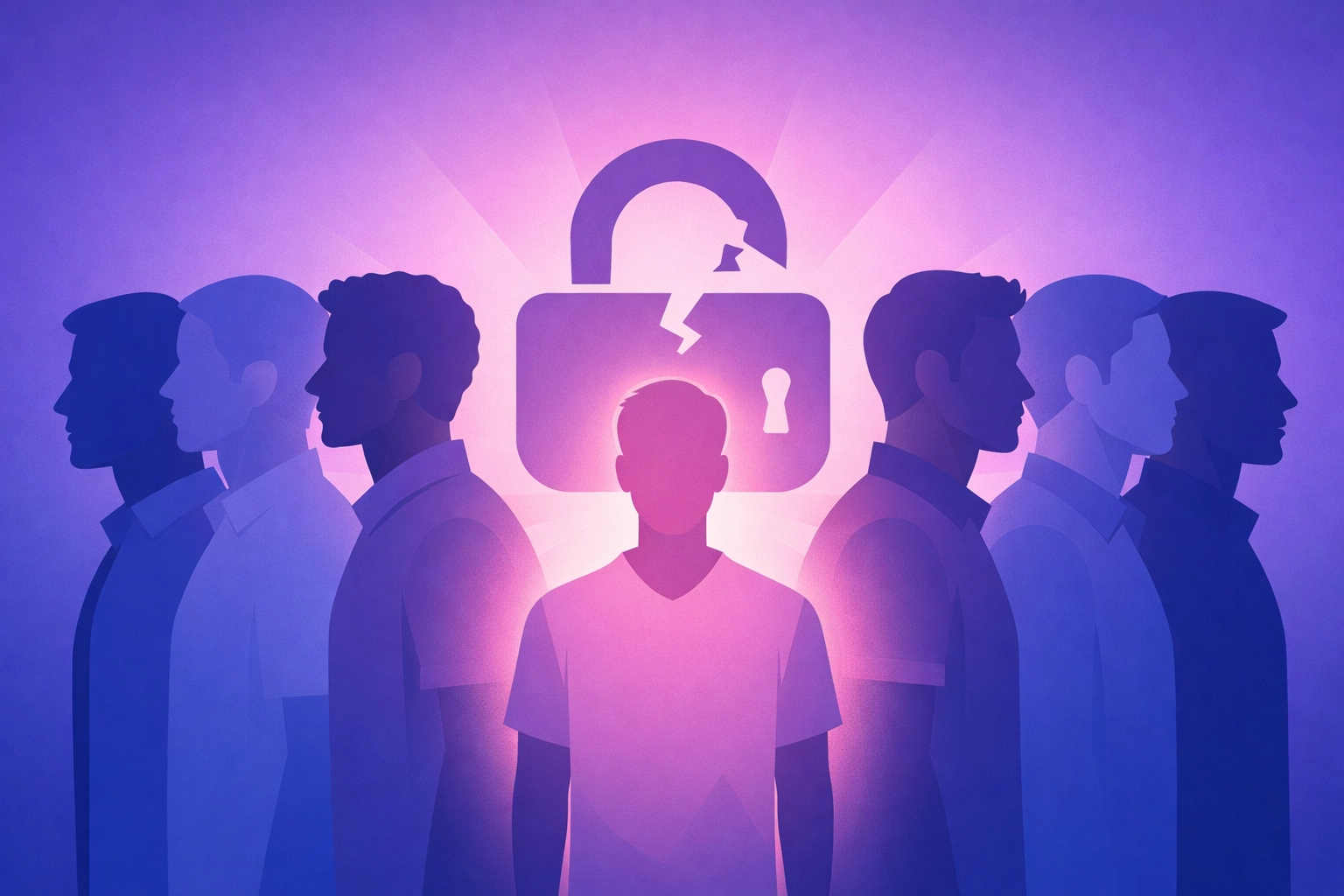
The double standard must end. We often see society treat female-on-male abuse with a "wink and a nod," as if the male student achieved some sort of rite of passage. This mindset is dangerous. It invalidates the victim's experience and gives predators a pass.
We must treat these incidents with the same gravity, the same investigative rigor, and the same level of outrage as any other form of assault. This means better training for school administrators, more resources for male survivors, and a cultural shift in how we talk about male vulnerability.
How We Can Help: Building Safer Environments
At Skiendziul & Luzzi Enterprises LLC, we believe in strategic planning that accounts for the human element. Whether you are leading a non-profit, a school board, or a private corporation, your organization needs robust systems to prevent abuse and support survivors.
Our strategic planning services can help your organization:
Develop clear, enforceable codes of conduct.
Implement better reporting structures that protect the whistleblower and the victim.
Create support systems that are sensitive to the unique needs of male survivors.
If you are dealing with legal complexities or investigations, we offer specialized consultations to help navigate these difficult waters. You can learn more about our DCPP investigations consultation or our general criminal consult services. We also provide domestic violence consultation for those needing immediate support in sensitive family or relationship matters.
A Path Toward Healing
We cannot change the past, but we can change how we respond to it. By acknowledging the reality of male student abuse, we take the first step toward breaking the cycle of silence.
To the survivors: Your experience is valid. Your pain is real. And it is never too late to seek help.
To the leaders and community members: Let’s work together to build the world that our children need. A world where "safety" isn't just a buzzword, but a lived reality for every student, regardless of gender.

Let’s Chat
We are here to support you, whether you’re looking to improve your organization's safety protocols or need a partner in strategic planning.
JOIN US in making our communities safer and more accountable. Please feel free to visit our booking page or reach out through our contact form. Let’s work together to ensure that no one has to suffer in silence.
For more resources and insights, you can browse our blog sitemap or check out our mission-driven initiatives like Food, Love, and Hope.
Together, we can turn the tide on this silent crisis.
Comments